
All Publications
Dec 27, 2022

2022: Year in Review
2022 was an important year for civil liberties in Kansas. Here's a look back to the battles we fought to defend our rights.

Oct 18, 2022

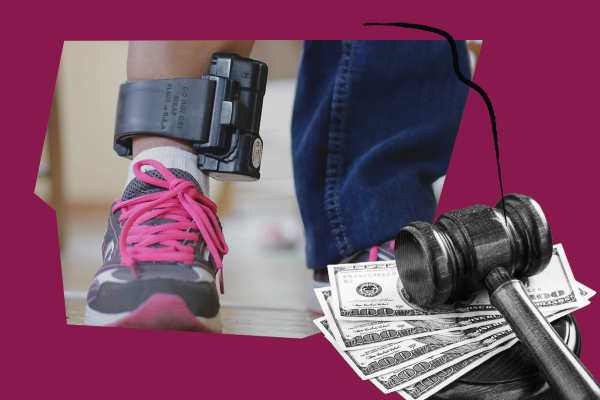
National Report: Three People Share How Ankle Monitoring Devices Fail, Harm, and Stigmatize

Sep 1, 2022

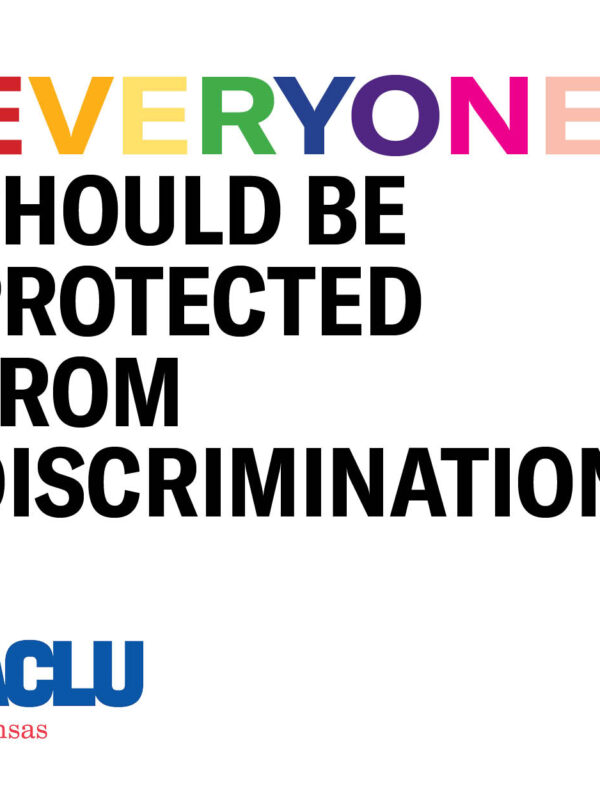
Expanding protections for LGBTQ+ Kansans
Though this may seem like a bleak picture I’m painting of LGBTQ+ Kansans’ experiences, it’s important that we remember it does not have to be this way. In fact, most Kansans want to protect LGBTQ+ people—67% of Kansans support LGBTQ+ non-discrimination protections.

Aug 10, 2022

Using Religion to Discriminate
Religious freedom is a fundamental constitutional right. Religious rationales have also been used to justify discrimination throughout United States history, including today. This begs the question: what are the limits on the freedom of religion when it intersects with other constitutional rights?
Jul 27, 2022

Local Police and 287(g) Agreements
Across the country, legislators and policymakers have attempted to crack down on illegal immigration by contracting with local law enforcement to enforce immigration policy. But being undocumented is not a crime, and local law enforcement have no obligation to help the federal government enforce immigration law.
However, dozens of sheriff’s offices across the country—including two in Kansas—spend local resources and collaborate with Immigration and Customs Enforcement (ICE) to identify, detain, and turn over noncitizens for deportation. One way ICE enlists local law enforcement is through the 287(g) program, a set of agreements that deputize local officers to perform immigration enforcement functions, primarily in jails. Since their inception, 287(g) agreements have given rise to racial profiling, civil rights violations, and breakdowns in community relations. Nevertheless, the Trump administration dramatically expanded the program, with no signs of a rollback under the Biden administration. As a result, 287(g) agreements continue to disrupt communities and fuel racism and xenophobia in Kansas and around the country.







Stay Informed
Sign up to be the first to hear about how to take action.
By completing this form, I agree to receive occasional emails per the terms of the ACLU’s privacy statement.
By completing this form, I agree to receive occasional emails per the terms of the ACLU’s privacy statement.