
All Publications
Oct 5, 2026

Innocent and Eligible to Vote Until Proven Guilty
Democracy doesn’t disappear at the doors of a jail, so neither should the opportunity to vote. But for thousands of individuals who are detained and awaiting trial in Kansas, casting a ballot is much more complicated than it may seem. While those convicted of a felony lose their right to vote, those detained pretrial are often excluded from our elections too, even though their voting rights remain intact.
Sep 30, 2026

More Hours, More Options: Expanding Early Voting in Kansas
Early voting for the 2026 general election is about to kick off here in Kansas, and for voters in two of the state’s largest counties, finding the time to do so will be easier than ever before.
Sep 29, 2026

Bail: Wealth-based Pre-trial Release
Pretrial detention can have devastating consequences and should be used only when necessary. But in Kansas, this is not the case. Across Kansas, thousands sit in jail pretrial – many because they do not have enough money to afford cash bail. Kansas’s system of money bail subverts the presumption of innocence to which criminal defendants are entitled and causes harm to individuals, their families, and entire communities. People facing criminal charges are often incarcerated for long periods while awaiting trial, and pretrial detention can place coercive pressure on defendants to plead guilty, especially as it can hamper their ability to participate in preparing a defense3 or cause them to lose their jobs and homes.
Understanding how bail works in Kansas and why cash bail undermines the presumption of innocence to which Kansans are entitled is necessary to crafting reforms aimed at reducing pretrial detention.
Sep 23, 2026
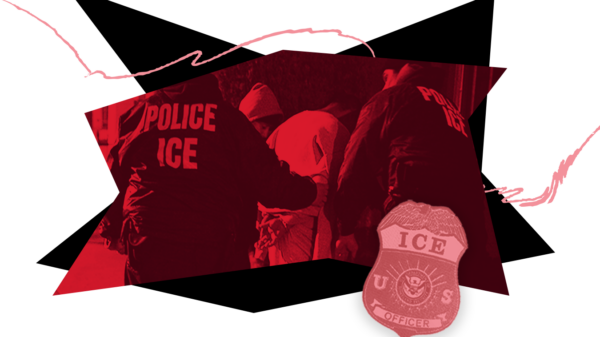
UNWARRANTED: Stop 287g Agreements
ACLU of Kansas is launching Opportunity Forward, a new campaign focused on building a Kansas where everyone has the opportunity to thrive. The campaign brings together three priorities that are central to our vision for a more just and equitable state: preserving in-state tuition, limiting 287(g) agreements, and preventing issuance of ICE detainers.
Aug 14, 2026

The Fight for Accessibility in Johnson County Elections
From changes to early voting locations and offering translated election-related materials, changes to election administration in Johnson County have proven that accessibility isn’t just about whether resources exist—but whether voters can actually find and use those resources. Questions of accessibility depend on answers of voters being able to vote how, when, and where they choose, and having the ability to do so without unnecessary barriers.

Aug 3, 2026

Identity Documents & Gender Markers: State and Federal Policy
A toolkit on gender markers for birth certificates and driver's licenses in both Kansas and Missouri.
Jul 1, 2026

All Democracy is Local 2026
In this report, we examine how varied policies in election administration across the state’s 105 counties means that the right to vote doesn’t look the same for all Kansans.
Using data from the 2024 General Election, we explore how election administration practices impact voter turnout. This report reveals how Kansans' ability to cast a ballot and exercise the right to vote is not equally accessible for all—depending on factors such as zip code, age, race, ethnicity, schedule, or disability status—and recommends clear steps for local election officials to make democratic participation accessible and convenient.
Jul 1, 2026
All Democracy is Local: Voting Rights in Kansas
The right to vote is the cornerstone of our democracy, but this report highlights the reality that the right to vote doesn’t look the same for all Kansans. Far too often, access to the polls is dependent on your zip code, the language you speak, your job, age, the number of advance voting locations available to you and what hours they’re open, and countless other factors outside of your control.







Stay Informed
Sign up to be the first to hear about how to take action.
By completing this form, I agree to receive occasional emails per the terms of the ACLU’s privacy statement.
By completing this form, I agree to receive occasional emails per the terms of the ACLU’s privacy statement.