
News & Commentary
Dec 19, 2023
In an Old West town, new Americans fight for representation
Experts who study representation have found that at-large election systems have frequently diluted the minority vote intowns and cities with significant non-White populations across the country. Shifting to what are known as “single-member districts,” can help, they say.

Dec 13, 2023
Federal court rules Kansas voting rights case can proceed | Courthouse News Service
A pair of residents in Dodge City, Kansas, first sued the city a year ago, alleging the current at-large election method used to elect city commissioners denies Dodge City's Latino residents an equal opportunity to participate in the municipal political process.

Dec 02, 2023
ACLU launches effort to inform Kansans with felony records of their voting rights
A leading Kansas civil rights organization says an estimated 30,000 people living in the state should be informed they have the right to vote. The American Civil Liberties Union of Kansas launched a campaign to reach out to Kansans with felony records and encourage them to register to vote.

Nov 27, 2023
ACLU set to reach out to Kansas felons who may be unaware of right to vote
The ACLU of Kansas says that around 30,000 Kansans who have completed their sentences for felony convictions are unaware that they have the right to vote. To that end, a new effort has been launched to inform them of their restored voting rights, recruit volunteers and to get more voters to vote.

Nov 15, 2023
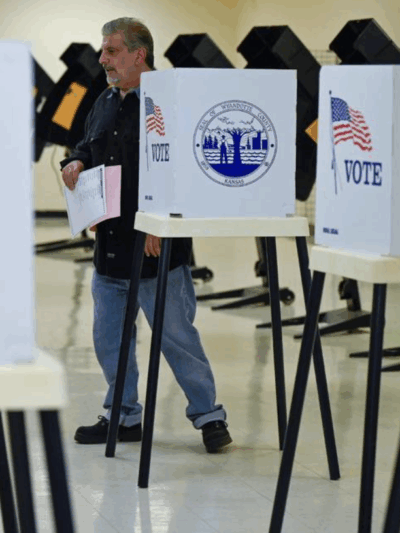
Election for KCK seat on Unified Government board may swing | The Kansas City Star
“Counting provisional ballots is an incredibly important part of ensuring that everybody has the opportunity to participate” in elections, says Sharon Brett, Legal Director of the ACLU of Kansas.
Nov 09, 2023
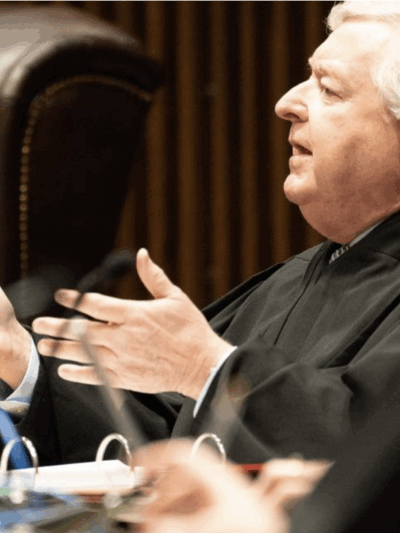
Kansas abortion ruling could extend to civil rights broadly | The Wichita Eagle
“When we’re talking about something like autonomy and dignity and privacy those are pretty expansive rights and government intrusion on those rights should have a high level of scrutiny to ensure there is not a deep government invasion into the personal decisions that we have,” said Sharon Brett.
Nov 06, 2023
Students, county clerk embroiled in monthslong clash over Fort Hays polling location - Kansas Reflector
“Ms. Dreiling has for months been disappointingly dismissive of the need for an accessible polling location as repeatedly stated by many of the Hays voters she serves,” said Micah Kubic, executive director of the ACLU of Kansas.

Nov 03, 2023
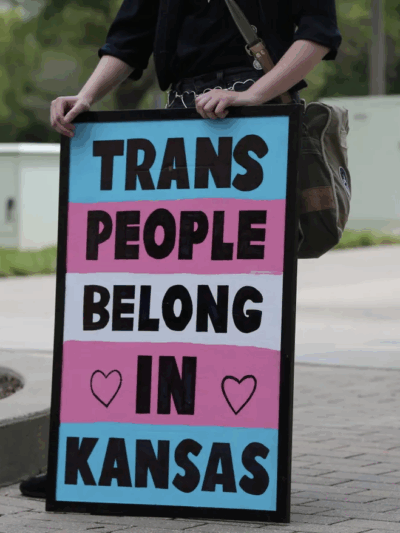
Transgender voters can use Kansas IDs while courts decide SB 180 case
Last month, the ACLU of Kansas sent a letter to local election officials urging them to allow transgender people to vote, regardless of the gender marker on their driver's licenses and other forms of ID.
Nov 02, 2023
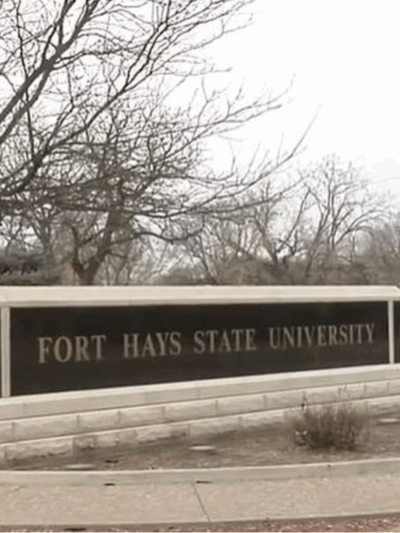
Students, community members plead for polling location at Fort Hays State
Two college students and a nationwide voter rights organization have called on a Kansas county clerk to help add a polling location to the Fort Hays State University campus to increase voter turnout, however, that plea continues to be overlooked.
Stay Informed
Sign up to be the first to hear about how to take action.
By completing this form, I agree to receive occasional emails per the terms of the ACLU’s privacy statement.
By completing this form, I agree to receive occasional emails per the terms of the ACLU’s privacy statement.